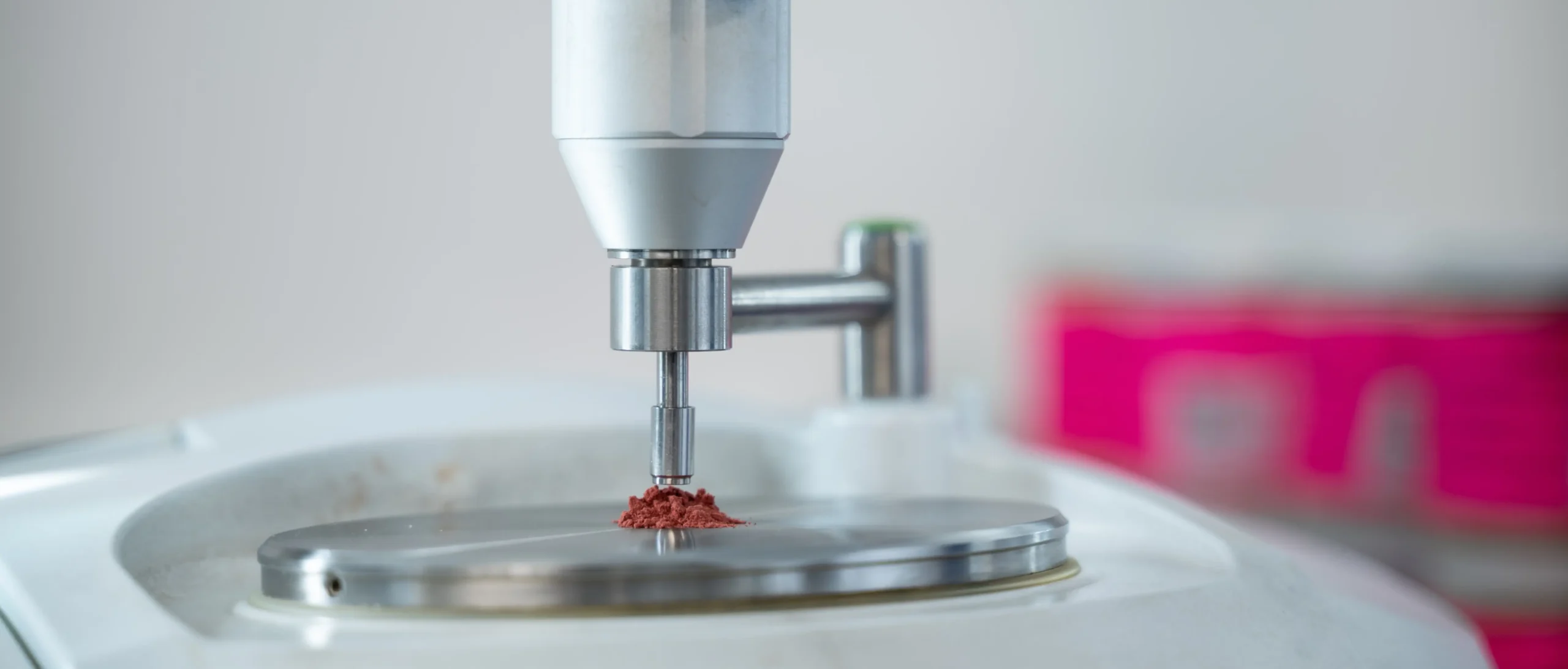
Identity testing confirms that a botanical, raw material, powder, or finished product matches its label, supplier documentation, and specification.
Advanced Laboratories runs HPTLC and FTIR identification with a 5-day turnaround, helping dietary supplement manufacturers and raw material suppliers verify authenticity and protect their supply chain with defensible data.
01 HPTLC Botanical Identification:
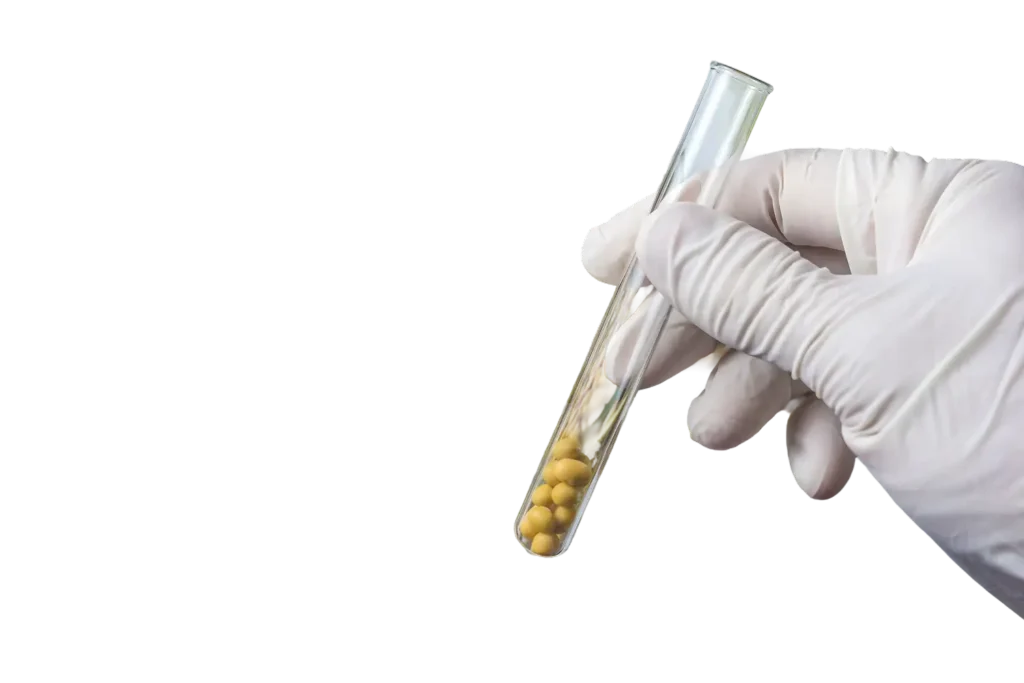
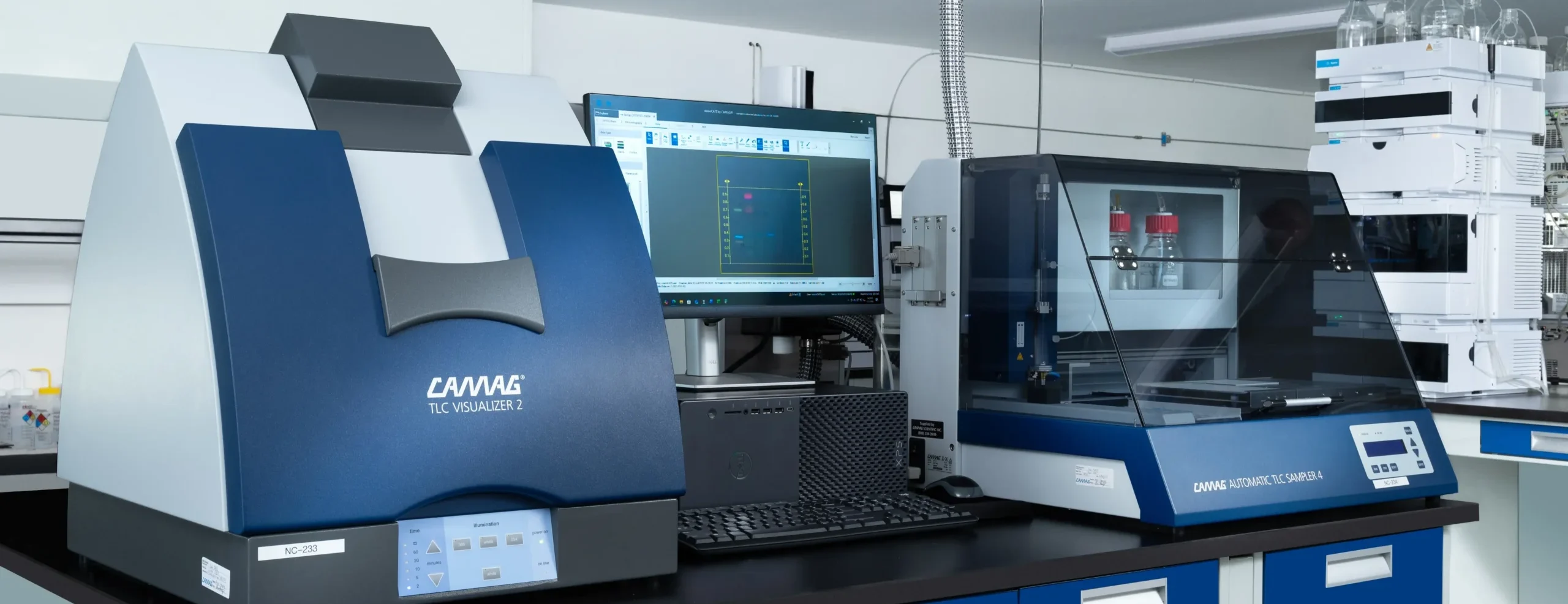
High-Performance Thin-Layer Chromatography (HPTLC) confirms botanical identity by separating and visualizing a plant’s unique phytochemical fingerprint, so we can verify authenticity against validated reference standards.
HPTLC is especially useful for botanical ingredients, which often contain complex mixtures of naturally occurring compounds. The method detects differences in identity, quality, and potential adulteration. A positive botanical ID matches the reference standard in number of bands, band positions, color reactions, and relative intensity. Missing or extra bands can signal adulteration, the wrong species, or poor-quality material.
Common Uses for HPTLC
Quality teams reach for HPTLC across a range of tasks:
- Botanical raw material identification
- Supplier qualification
- Investigation of questionable or inconsistent materials
- Comparison against validated reference standards
- Documentation that supports FDA or NSF programs
With over 70 botanicals currently validated, our chemists keep expanding the list, and our posted catalog updates in real time so you always see the most current options.
02 FTIR Material Identification
Fourier-Transform Infrared spectroscopy (FTIR) identifies materials by measuring how they absorb infrared light. Each material produces a unique spectral pattern that we compare to known reference spectra.
FTIR confirms the identity of non-botanical raw materials and other ingredients where infrared fingerprinting fits. It also measures batch-to-batch consistency for finished products during product qualification, and tracks overall degradation during stability testing.
Why Use FTIR?
FTIR screens materials fast and supports identity confirmation when speed matters. As the dietary supplement industry sharpens its focus on ingredient verification and supply-chain transparency, identity testing has become a core part of a strong quality program. With multiple rush options available, you no longer have to wait on quick releases or quarantine decisions.
Identification Testing for Supplement Manufacturers
Get identification testing built around real production timelines. We support dietary supplement brands, manufacturers, and raw material suppliers with practical testing for the way you actually release product. For many teams, HPTLC fits raw botanical identity, while FTIR works for batch-to-batch consistency, supplier screening, or non-botanical comparison.
Whether you are verifying ingredient identity, product consistency, or both, our team can help determine whether HPTLC, FTIR, or another analytical approach fits your ingredient, matrix, and testing objective.
Identity Testing FAQ
What’s the Difference Between HPTLC + FTIR?
HPTLC answers “what plant is this?” by comparing a material’s phytochemical fingerprint to known botanical references, so it fits botanical identity. FTIR compares overall material composition and answers “does this batch match previous approved batches?” — useful for batch-to-batch consistency, finished-product comparison, non-botanical raw materials, and supplier screening.
Can HPTLC confirm every botanical ingredient?
Not always. HPTLC is highly useful for many botanical ingredients, but method suitability depends on the material, the available references, and the complexity of the sample. Our team can help determine whether your ingredient is a good fit before you submit.
Do I need identification testing if I already have a supplier COA?
Many manufacturers do both. A supplier Certificate of Analysis (COA) is useful, and independent identity testing adds a layer of verification that confirms the material you received matches the expected identity before it enters production.