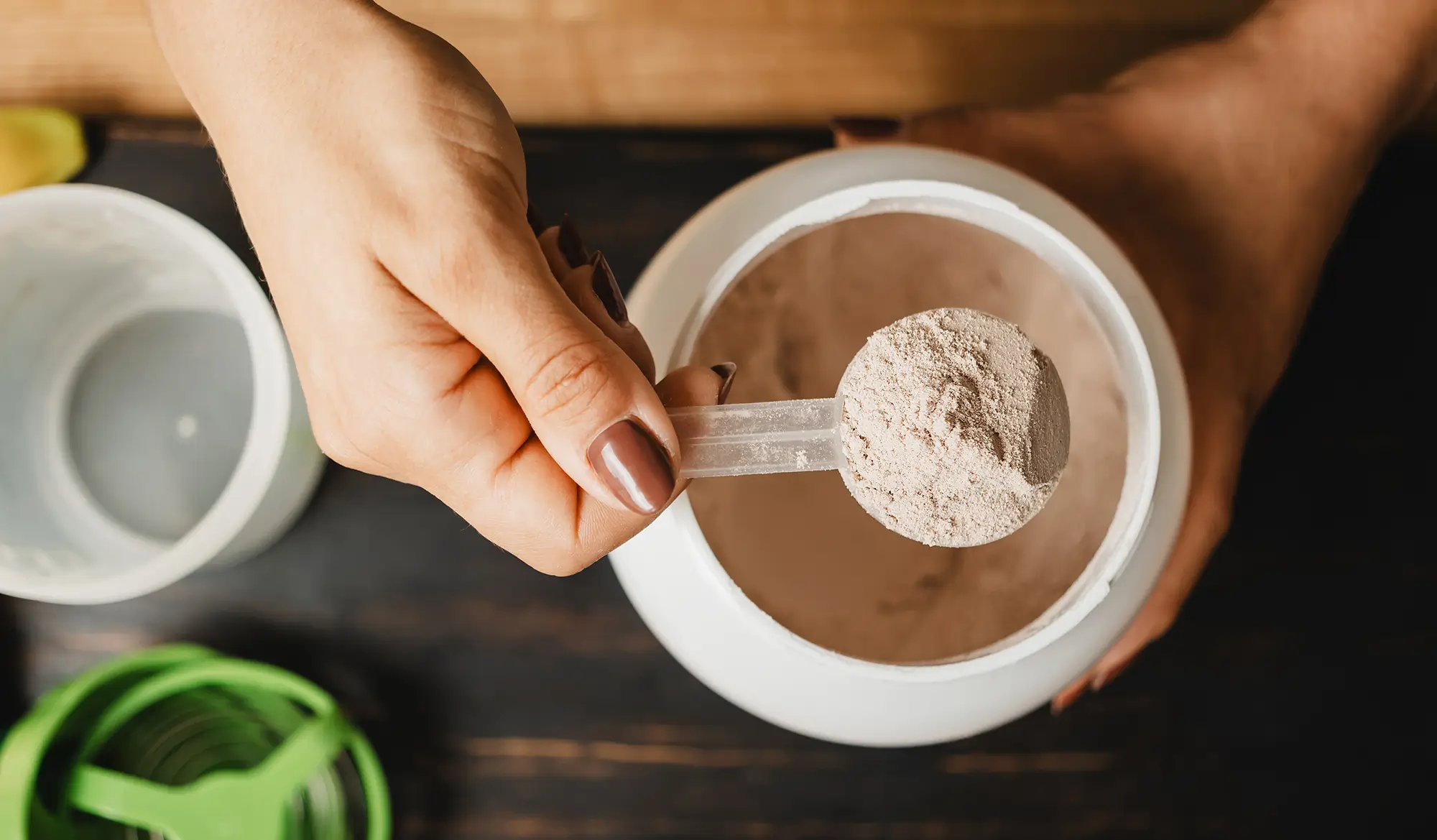
Each year, a growing number of consumers turn to supplements and wellness products to support their health goals. Protein powders, pre-workouts, and greens powders make it simple and convenient to fuel exercise regimens and hit daily macros, but recent findings point to troubling purity concerns.
Independent investigations have repeatedly found elevated levels of lead and heavy metals in products across these categories, including some of the most popular brands on the shelves. Because contamination typically originates in the environment or supply chain, manufacturers can only control it through consistent, validated testing.
Here’s what responsible brands and manufacturers need to know about protecting consumers, complying with regulations, and ensuring the integrity of their products.
Understanding the Issue: Heavy Metals in Protein Powder, Greens, and Pre-Workouts
While all wellness products should be screened for heavy metals, certain supplements are particularly likely to be contaminated.
Protein, pre-workouts, greens powders, and spirulina-based products typically contain a blend of botanicals (often many botanicals) that are prone to absorbing heavy metals from their growing or harvesting environments. Chocolate and plant-based varieties pose a particular risk due to their complex blend of botanicals.
While levels vary, the trend is clear: heavy metal contamination is far from unusual, and manufacturers must stay vigilant when it comes to safety and purity.
Heavy Metal Exposure + Consumer Safety
Heavy metals, including lead, arsenic, cadmium, and mercury, are naturally occurring elements found in soil and water. In small amounts, most are relatively harmless, but in larger doses or repeated exposures, they pose significant health risks.
The body can mistake heavy metals for beneficial minerals, causing them to be absorbed through the same pathways:
- Lead competes with calcium and is stored in bones and teeth.
- Cadmium mimics zinc and is stored in the kidneys and liver.
- Arsenic interferes with phosphate, affecting the metabolism.
- Mercury binds to sulfur-containing proteins in the brain and nervous system.
Once absorbed, these metals are difficult for the body to break down or release. This disrupts normal biochemical functions and allows metals to linger in tissues.
While occasional ingestion typically doesn’t lead to health problems, daily-use products like supplement powders create a pathway for frequent exposure. Small amounts of heavy metals can accumulate in the body over time, possibly contributing to:
- cognitive and neurological impairment
- developmental delays in children
- kidney and liver damage
- increased cancer risk (specifically with arsenic and cadmium)
- weakened immune function
How Does Heavy Metal Contamination Happen?
Some categories of supplements are more vulnerable to heavy metal contamination than others, and protein powders, pre-workouts, and greens powders are at the top of that list. The reasons are rooted in the nature of the ingredients themselves.
Soil Contamination and Plant-Based Protein
Plant-based proteins such as pea, brown rice, hemp, and soy are increasingly popular substitutes for dairy whey, but crops grown in mineral-rich or industrially impacted soil will naturally absorb heavy metals. Rice, for example, is known to take up arsenic at higher rates than many other crops, while hemp and legumes are prone to accumulating lead and cadmium.
Even when growing conditions are carefully managed, soil variability means contamination levels can differ significantly from one lot to another, requiring manufacturers to stay vigilant about product testing.
Hyperaccumulating Botanicals
Certain botanicals, like spirulina, alfalfa, and barley grass, are especially efficient at absorbing minerals. Known as “hyperaccumulators,” these botanicals will concentrate any heavy metals present in the soil and water.
Greens powders that feature a complex blend of plant-based ingredients present a compounded risk. When multiple hyperaccumulating botanicals come together, the total load of heavy metals in each serving can increase quickly.
Supply Chain Variability
Many of the raw ingredients used to manufacture protein and pre-workout powders are sourced globally from farms with varying agricultural and environmental standards. Even reputable suppliers face challenges in ensuring uniformity across growing regions and harvest cycles. One lot may fall well below established limits, but the next may exceed them by several multiples.
How Third-Party Testing Ensures Purity + Brand Trust
Testing isn’t just a formality — it’s the foundation of product safety, quality, and brand protection.
A growing number of major retailers are requiring validated third-party product testing before they will stock products, and an increasingly informed consumer base looks for COAs or third-party certifications when making purchasing decisions.
Because heavy metal contamination is usually unrelated to your own manufacturing or formulation practices, independent testing is the only way to ensure that products are consistent, pure, and safe.
Identify Issues Early
An accredited lab can analyze raw materials and finished products to prevent a contaminated lot from moving through the supply chain.
Additionally, trend-analysis capabilities, like Advanced Laboratories’ Trendcheck®, can help brands determine where the contamination originates. This allows for more effective corrective action and avoids complaints, recalls, and regulatory sanctions.
Signal Product Integrity
The supplement powder market is competitive. Publicizing validated testing results helps brands differentiate themselves from competitors that are less committed to quality.
As data becomes an increasingly important part of strategic marketing, third-party COAs convey transparency and build confidence with discerning buyers.
What to Look for in a Heavy Metals Testing Lab
Not every lab provides the same level of rigor. Look for a third-party testing partner with:
- ISO-accredited facilities and validated methods that are precise at low thresholds.
- Clear, actionable reporting and transparent data access.
- Fast turnaround and scalable programs that can keep pace with an evolving product line.
Take Control of Heavy Metal Contamination Risks
The threat of heavy metal contamination might be inherent to greens powders, protein supplements, and pre-workouts, but it can be well-managed through vigilant testing. Partnering with an accredited lab is the best way to guarantee quality, ensure public safety, and avoid costly recalls.
In a crowded supplement market, verified purity is one of the most powerful differentiators you can offer. Protect your brand and lead with transparency through rigorous product testing.