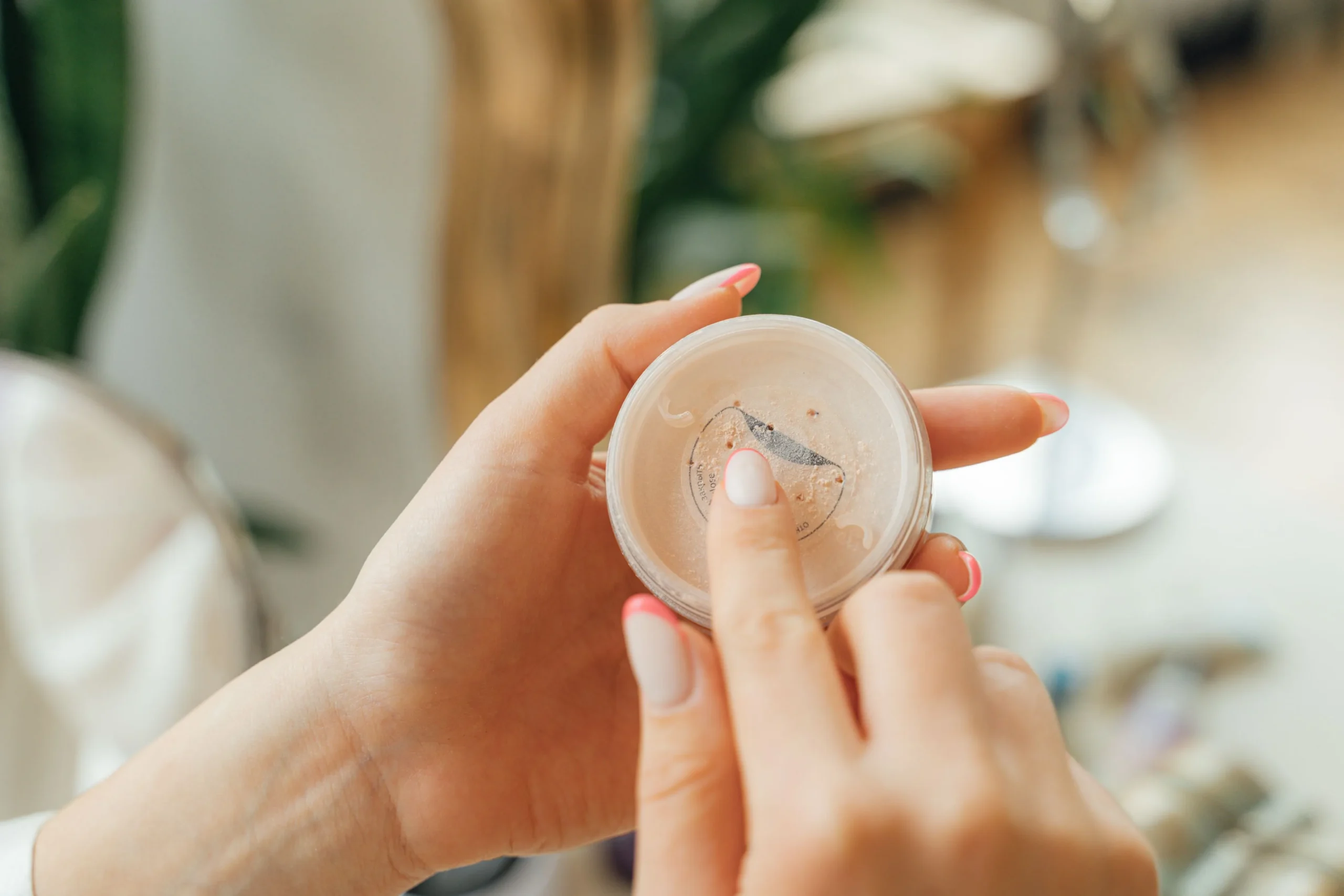
Protein powders and greens blends offer consumers concentrated nutrition in a convenient format. From a manufacturing perspective, however, one of the biggest challenges of delivering healthy powdered supplements is controlling microbial contamination.
Though rigorous contamination testing is essential for any wellness product, powdered dietary supplements are uniquely vulnerable. Because they often contain multiple botanical ingredients and require complex processing, manufacturers must address many potential inroads for microbes.
Understanding how and where contamination risks originate is the first step towards developing manufacturing processes and third-party testing protocols that keep products and consumers safe.
Why Are Powdered Supplements Higher Risk for Microbial Contamination?
What makes powders especially susceptible to microbial contamination? The answer relates to what they are made of and how they are processed.
Surface Area + Nutrient Density
Compared to tablets, capsules, and gummies, powdered supplements have an enormous surface area. This means that, at any given point in the manufacturing process, more of the product has the potential to be exposed to microbes.
What’s more, many powders (especially protein and greens blends) contain amino acids, carbohydrates, and other nutrients that can feed and sustain microbes if contamination occurs. Bacteria and fungi can lie dormant in these products and proliferate quickly if they are exposed to moisture during transport or on shelves.
Botanical Ingredients
Many dietary supplement powders contain complex blends of botanicals. Plant-based proteins, greens, herbs, and roots all originate in agricultural environments. With the cultivation and harvesting process comes unavoidable exposure to microbes in the soil, water, and air.
Botanical ingredients have an inherently higher contamination potential than refined or synthesized compounds. Though drying does reduce the microbial load, botanicals are often minimally processed. For this reason, microbial specifications for botanical ingredients are typically higher than those for synthetic ones.
While this doesn’t mean that botanicals are necessarily riskier to consumers, it does reflect the need for rigorous lab testing to ensure the safety and consistency of plant-derived powders.
How pH + Moisture Affect Microbial Contamination
A dry environment that is either acidic or alkaline will naturally suppress microbial growth. However, because many powdered supplements offer microbes such a nutrient-rich environment, undetected contaminants can lie dormant only to flourish when conditions become more favorable.
Moisture + Microbes
Powdered supplements are formulated to have low water activity (aw), but low moisture doesn’t guarantee sterility. Even slight increases in humidity during processing, storage, or transport can elevate water activity enough for microbes to proliferate.
Because contamination can occur at any stage and microbes can sometimes survive until sufficient moisture comes along, microbial control is essential throughout the entire production process.
The Role of pH
In general, neutral pH environments are more hospitable to a broad range of microorganisms, while acidic or alkaline environments naturally suppress certain varieties.
That said, a high or low pH won’t eliminate contamination risk, especially when microbes are introduced later in the manufacturing process. Contaminants that aren’t eliminated during processing can persist and wait for temperature fluctuations or chemical changes within the supplement powder to create a more favorable environment.
Common Contamination Points in the Manufacturing Process
Microbial contamination can have many entry points, but it’s rarely random. In most cases, it can be traced back to a specific control gap within the manufacturing process.
Raw Material Handling + Storage
Regardless of your facility’s processes and standards, raw ingredients may arrive already contaminated.
Improper storage and transport practices can introduce humidity, leave ingredients vulnerable to fluctuating temperatures, or expose them to open air. When third-party testing protocols don’t detect contaminants upstream, they can contaminate manufacturing equipment and entire blends.
Processing Environments
Processing equipment can introduce and spread contamination if not properly sterilized and isolated from environmental contaminants. Facilities that manufacture a variety of products have to be especially vigilant to prevent cross-contamination between multiple SKUs and batches.
Employee Practices
Human interaction with processing equipment and materials is a common source of microbial contamination for supplement powders. Even when gloves are worn, touching a non-sanitized surface before handling products can introduce microbes.
Consistent hygiene standards and protocols for glove use can prevent contamination events at the facility level.
Packaging + Storage
Even if raw ingredients and finished products are rigorously screened, microbial contamination can find its way in during the packaging process. Bottle interiors, lids, and scoops can all become entry points if they are exposed to a non-sterile environment or handled improperly.
When contamination occurs at this stage, it can persist on retail shelves and consumers’ kitchen counters, even though all earlier manufacturing steps were well-controlled.
How Third-Party Product Testing Prevents Contamination
Routine laboratory testing keeps products safe and compliant with FDA regulations. It can also prevent single contamination incidents from becoming facility-wide problems. With consistency, validated third-party laboratory testing can:
- Verify the safety of finished products. Comprehensive microbial testing evaluates total aerobic counts, yeast and mold levels, and the presence or absence of specified pathogens to help ensure products meet regulatory thresholds before they reach consumers.
- Investigate contamination in raw ingredients. Regularly testing ingredients for microbes and pesticide residues can prevent manufacturers from introducing contamination into later steps of the manufacturing process.
- Detect systemic problems. Repeated findings of microbial contamination are rarely coincidental. Laboratories that offer data review platforms like Advanced Laboratories’ Trendcheck make it easier to evaluate results across production runs and zero in on the root cause of contamination.
Turn Insights into Process Improvements
Powdered supplements require extra vigilance to prevent microbial contamination, but rigorous, consistent protocols keep products safe and compliant.
Product testing not only flags out-of-spec results before those products can reach consumers, but it also generates valuable data about the efficacy of your processes.
Though microbial contamination is insidious, it’s also largely preventable. Leverage your testing insights to address potential problems at their root and keep risks low and consumer trust high.