Cosmetic products, especially those with high-moisture or botanically derived formulas, can become breeding grounds for bacteria, yeast, and mold if they aren’t properly preserved. Challenge Testing, or Preservative Efficacy Testing (PET), evaluates whether a cosmetic’s preservatives can effectively control microbial contamination throughout its shelf life.
From facial serum to body lotion, shampoo, and liquid foundation, any product that contains water has the potential to support microbial growth. While good manufacturing standards can prevent contamination during processing and packaging, truly safe personal care products have to stand up to the microorganisms introduced in consumers’ homes.
Challenge Testing verifies that a product’s preservation system is effective, even when the storage and use environment isn’t sterile or controlled.
What Is Challenge Testing?
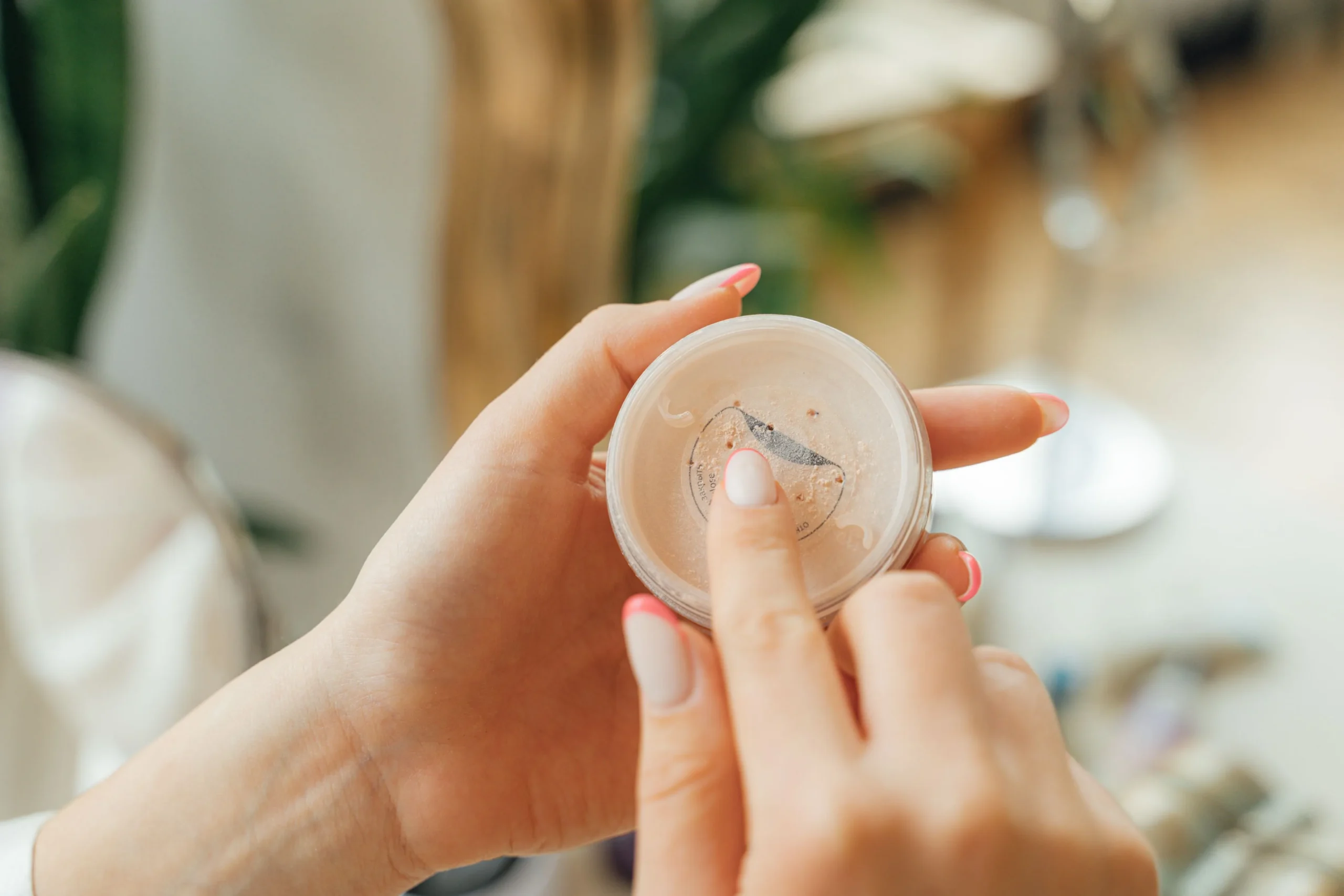
Fingers, used cosmetic sponges, and humid bathroom environments can expose personal care products to bacteria and other microbes.
Rather than simply testing whether a finished product is free of contamination at a single point in time, challenge testing seeks to determine whether a formula’s preservation system can tolerate normal use conditions.
To accomplish this, third-party testing laboratories intentionally introduce known quantities of specific microorganisms into a product and monitor how effectively the preservative system controls microbial populations over a defined testing period.
This process, known as Challenge Testing or Preservative Efficacy Testing, leverages methods developed by the Personal Care Products Council (PCPC) or USP <51> standards to answer the question: If contamination occurs during normal use, can the preservative system stop microorganisms from multiplying to unsafe levels?
Preservative Systems in Cosmetics + Personal Care Products
A product’s preservative system is its mechanism of inhibiting the growth of bacteria, yeast, and mold. Rather than relying on a single ingredient, many formulations use a combination of preservatives to provide broad-spectrum protection against a variety of microorganisms.
Some of the most common cosmetic preservatives include:
- Phenoxyethanol, a widely used preservative effective against many types of bacteria.
- Organic acids, such as benzoic acid, sorbic acid, and dehydroacetic acid, which are often used in formulations with an acidic pH.
- Parabens, traditional preservatives still used in some cosmetics, although many brands have replaced them due to consumer preferences.
- Glycols and alcohols, which contribute antimicrobial properties while also serving other formulation purposes.
The effectiveness of any preservative system depends on much more than the preservative ingredients themselves. Factors like pH, water activity, packaging, and even how consumers use the product can all influence whether preservatives perform as intended.
Because there are multiple variables at work, manufacturers can’t assume that a preservative system that was effective for one formulation will work for another. Challenge Testing evaluates finished products under standardized conditions, providing objective evidence of microbial growth resistance throughout its expected shelf life.
Preservation Efficacy and Consumer Safety
Improperly preserved personal products may discolor or become less effective over time. More importantly, however, they can pose public health risks. When microbes proliferate in cosmetics, end users are vulnerable to infections, skin irritation, or allergic reactions.
Individuals with immune deficiencies or compromised skin barriers may be at particular risk, and brands have to consider the needs of vulnerable populations in product development.
Preservative efficacy testing helps identify weaknesses in a formulation before cosmetics reach store shelves. By confirming that preservatives remain effective throughout a product’s lifecycle, manufacturers can greatly reduce the likelihood that microbial growth will harm end users.
When Should Cosmetic Brands Perform Challenge Testing?
Challenge testing is an important part of R&D, but it’s also wise to revisit it any time there are changes to an existing product.
Brands should strongly consider Challenge Testing when:
- Reformulating an existing product
- Changing preservative systems or preservative concentrations
- Adding or removing ingredients that may affect preservation
- Modifying packaging
- Extending a product’s shelf life or changing storage recommendations
Testing is particularly important before commercial release. Discovering that a preservative system is inadequate after a product reaches consumers can result in costly recalls and reputational damage.
Many manufacturers also incorporate challenge testing into ongoing quality assurance programs to verify that the formulation is consistent across production batches.
Special Considerations for Natural + Water-Based Formulas
Naturally derived botanical ingredients appeal to health-conscious consumers and “clean beauty” trendsetters, but they can also introduce additional formulation challenges.
Many botanicals naturally contain high concentrations of nutrients that microorganisms can utilize for growth. Likewise, products with high water activity, like creams, lotions, gels, and serums, provide an environment in which microbes can multiply easily if they aren’t suppressed.
Some brands seek to minimize or eliminate traditional preservatives in response to consumer preferences. While this may support marketing goals, it often leaves less room for error from a microbiological standpoint. Adding ingredients with naturally occurring antimicrobial properties like thyme, honey, or oregano oil is never a substitute for scientific verification of adequate preservation.
Challenge testing allows formulators to evaluate how the complete formulation — including natural ingredients, emulsifiers, fragrances, packaging, and preservatives — works together under realistic contamination conditions.
Best Practices for Microbial Control in Cosmetic Manufacturing
Challenge testing is one component of a comprehensive microbial control program. Manufacturers should also implement practices that minimize contamination throughout product development and production.
Follow Good Manufacturing Practices (GMPs)
Even though personal care products are not designed for use in a sterile environment, quality control begins at the facility level. Following current regulations, validating cleaning procedures, and preventing cross-contamination all reduce microbial risks before products ever reach consumers.
Mind Raw Materials
Challenge testing only applies to finished products, but higher-risk raw ingredients may benefit from individualized analysis. Appropriate incoming materials testing can help prevent contamination from entering the manufacturing process and causing systemic issues.
Evaluate Packaging Design
A cream that’s designed to be scooped with fingers from a wide-mouthed container is much more susceptible to contamination than one that’s packaged in a tube or pump. Look for opportunities to use package design to minimize a product’s exposure to moisture and microbes.
Verify Preservative Efficacy with Third-Party Testing
Partnering with an independent laboratory is the best way to confirm that your product’s preservative systems are performing as expected. Challenge testing replicates real-use conditions to give manufacturers a scientific basis for safety and shelf-life claims.
Bring Safe Products to Market with Challenge Testing
A cosmetic product can look, smell, and perform perfectly fine, but if its preservative system isn’t effective, it may harbor microbial risks.
Challenge Testing provides scientific confirmation that a formula can withstand the types of microbial contamination products commonly encounter during real-world consumer use.
Working with an accredited third-party laboratory helps manufacturers generate reliable data that supports informed formulation decisions and promotes consistent safety from the production environment to retail shelves.